
Search Products
Residential
Steps & Treads
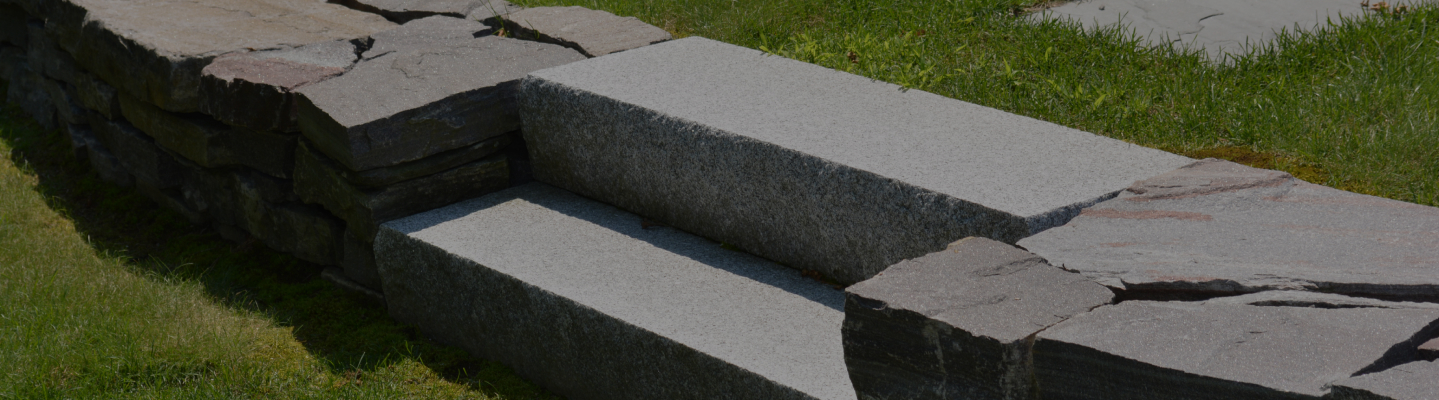
Boost your home’s curb appeal and be the shining star of the neighborhood with natural stone steps. Durable, 100% natural stone can withstand extreme fluctuations in weather conditions and remains virtually low maintenance for a lifetime. You’ll smile with each step into your home!
Granite Posts
When you’re putting in a fence, a mailbox or outdoor lighting, these are practical yard staples that you want to set and forget and know they’ll be there, standing at attention, performing their duty. Harsh weather conditions can compromise wood, vinyl or metal posts, but granite will be there for a lifetime and look good doing it.
Pavers
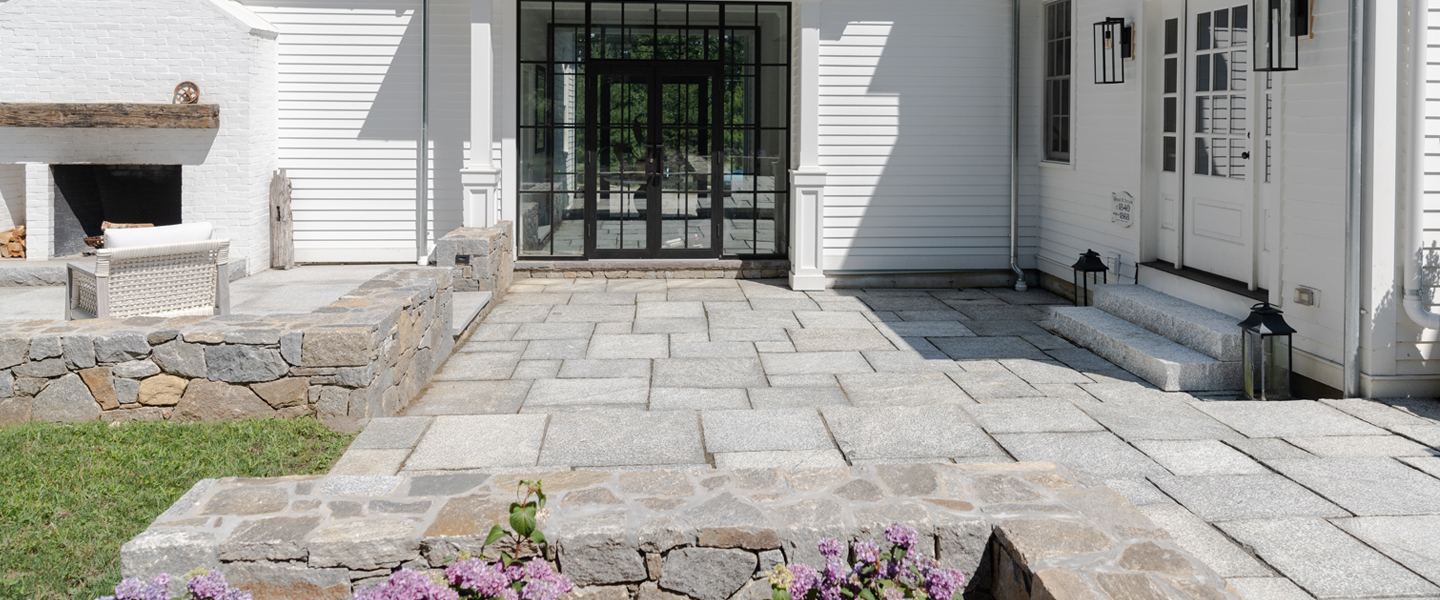
From the rustic look of winding fieldstone walkways to the clean lines of formal patios and poolscapes, natural stone sets the stage for outdoor living designs. Utilizing natural stone in your patio designs ensures that your backyard retreat blends beautifully with its natural surroundings.
Fire Pits
A granite fire pit can turn your outdoor space into a year-round room without walls, filled with warmth, fresh air, birdsong, sunshine, moonlight and stars. A fire pit as the focal point of your backyard creates a cozy spot to reconnect with nature and loved ones, a naturally durable backyard addition guaranteed to last a lifetime.
Edging
A crisp border for gardens and a strong edge for snow removal, stone edging keeps landscaping manicured and prolongs the life of asphalt. Granite edging can add visual interest to your front yard by creating a decorative border around driveways and walkways. It can also function as a root barrier between plants or grasses and hardscapes.
Stone Veneer
Natural stone veneers and wallstone lend a look of history and permanence to new construction and can add that classic touch to your existing home. The unmatched beauty of genuine stone makes it the ideal accent for any aesthetic: modern, rustic, farmhouse, or minimalist.
Walls & Caps
Swenson walls & caps add a unique appearance to any wall design and are the ideal choice for those looking to emphasize sophistication in their landscape design vision. Available in granite, limestone and marble, wall caps complement a full range of other natural stone materials.
Elements & Accents
When it comes to turning your yard into a space that reflects you, it’s the little touches that incorporate your personality. American-made, handcrafted bird baths, benches, mill wheels, compasses and chessboards are the finishing touch to a well-planned backyard.
Commercial
Download Our Price Guide
See a complete list of local prices for all of our granite and natural stone products.

